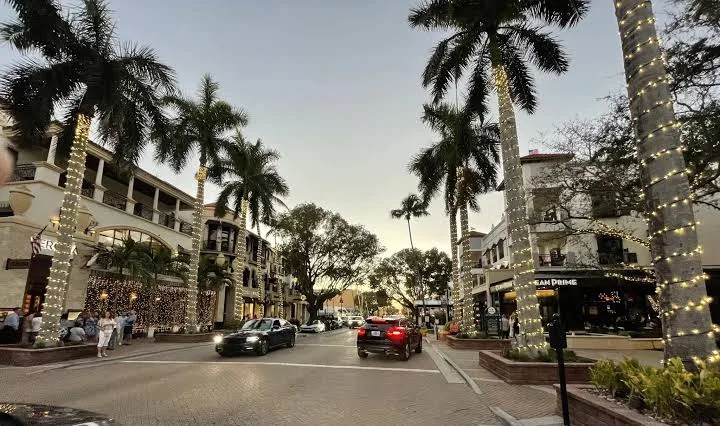
The Walkable, Beachfront Historic Heart of Naples
Olde Naples
Naples' original townsite and still its most walkable address: historic cottages and classic Florida architecture on tree-lined streets, boutique shopping and acclaimed dining on Fifth Avenue South and Third Street South, and the Gulf of Mexico beaches at the end of the block.
About Olde Naples
Olde Naples is where the city began and remains its most desirable address: the historic, walkable beachfront heart of Naples, stretching from the Gulf of Mexico beaches on the west to US-41 (Tamiami Trail) on the east. This is the original townsite, the district that anchors everything else in the city, from the iconic Naples Pier to the boutique-lined streets of Fifth Avenue South and Third Street South. It is also, by any measure, one of the most desirable and expensive neighborhoods in Naples.
The character of the neighborhood is unmistakable. Narrow, tree-lined streets are shaded by coconut palms and towering banyan trees, and the housing stock blends historic beach cottages, some dating to the early 1900s, with classic Mediterranean and Old Florida residences and brand-new luxury construction. Buildings hold to a low, village-like scale, which keeps the downtown intimate and keeps the beach feel intact.
For residents, the neighborhood's defining quality is its walkability. Compass's neighborhood guide puts it plainly: walkability is treasured in Olde Naples. Residents walk to dinner, walk to the beach, walk to the farmers market, and walk to the pier for sunset. It is downtown living on a human scale, with the Gulf of Mexico at one end of your daily errands and the shopping and dining of Fifth Avenue South and Third Street South at the other.
What Makes Olde Naples Special
Olde Naples pairs two rare things in one small footprint: a genuine historic downtown, with the shopping and dining of Fifth Avenue South and Third Street South, and a residential beachfront neighborhood where the Gulf is a short walk away. Understanding both sides of that combination is the key to choosing the right home and the right block.
Historic Charm and Architecture
Olde Naples is where Naples grew up, and the architecture tells that story. Along its tree-lined streets you will find original beach cottages, some dating to the early 1900s, mixed with classic Mediterranean and Old Florida residences and an active pipeline of new luxury construction. Coconut palms and banyan trees arch over the roads, and buildings hold to a low scale that keeps the neighborhood feeling like a closely knit village rather than a resort corridor.
- Historic cottages and classic Florida architecture
- New luxury construction alongside preserved classics
- Tree-lined streets shaded by palms and banyans
- Low, village-scale building heights throughout
The Downtown and Beach Lifestyle
The second side of Olde Naples is the lifestyle its location makes possible. Fifth Avenue South is Naples' main street, lined with upscale boutiques, art galleries, restaurants, and theaters, and Third Street South is the city's famed dining district. A few blocks further west, the Naples Pier and the Gulf beaches put the water at the end of your walk. It is the blend of city and beach that no other Naples neighborhood quite matches.
- Fifth Avenue South shopping, galleries, and dining
- Third Street South, the city's signature restaurant row
- Gulf beaches and the Naples Pier within walking distance
- Walkability treasured by residents and visitors alike
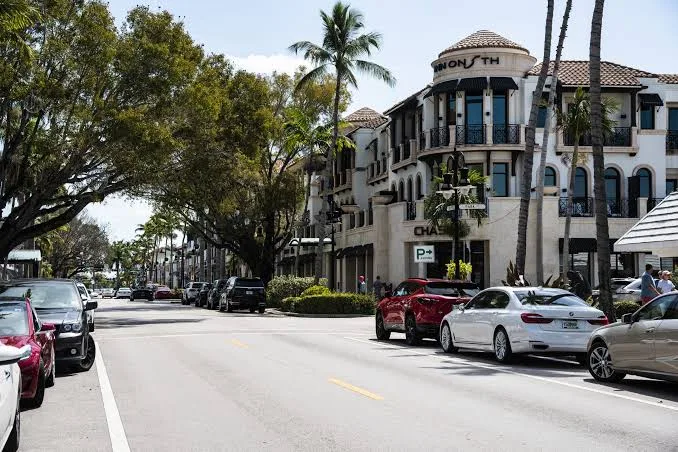
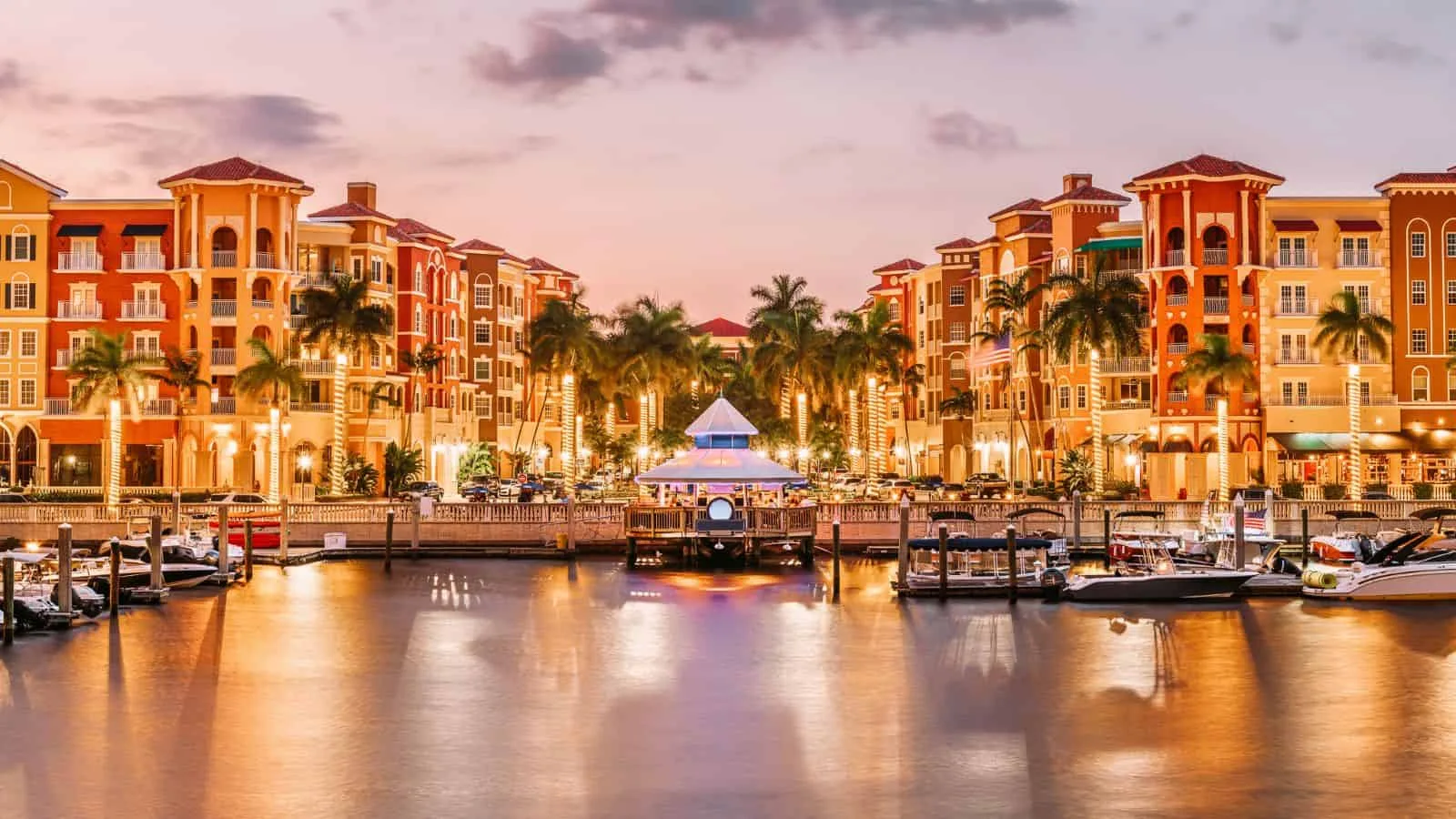
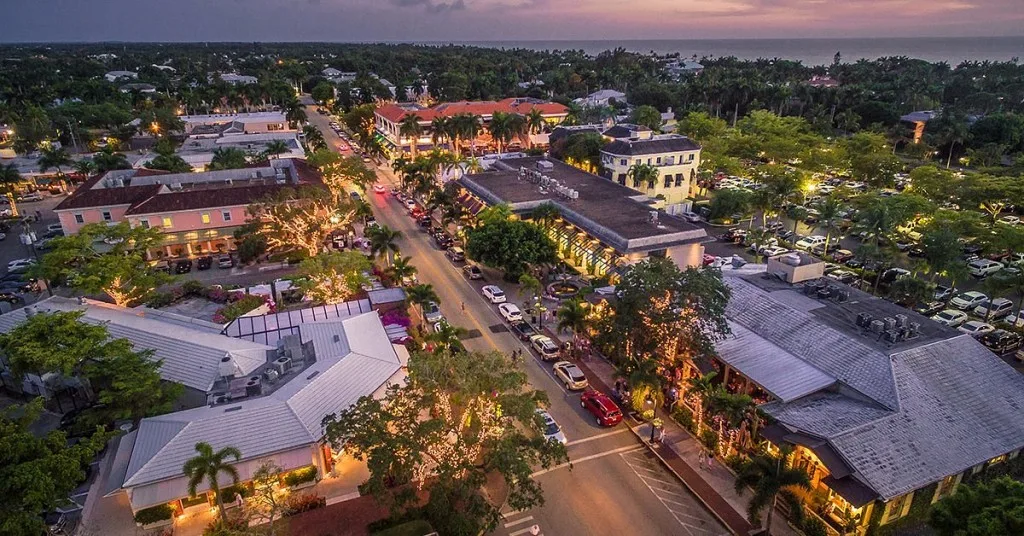
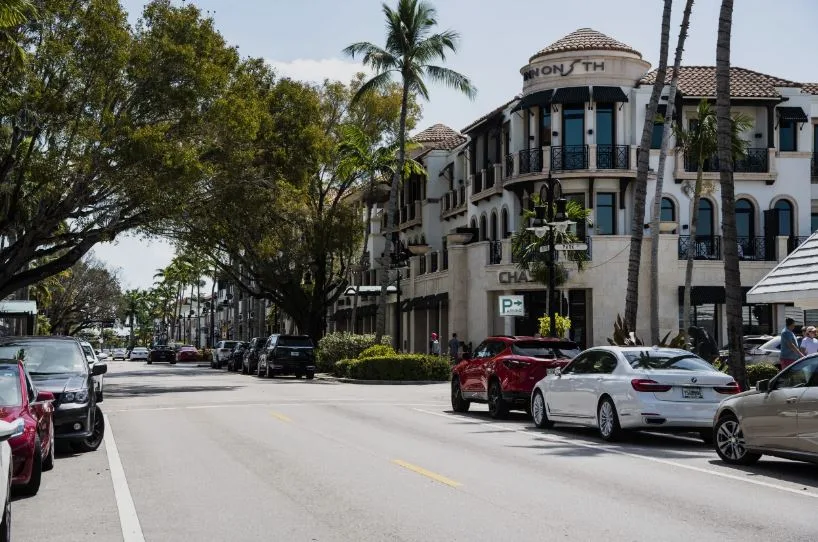
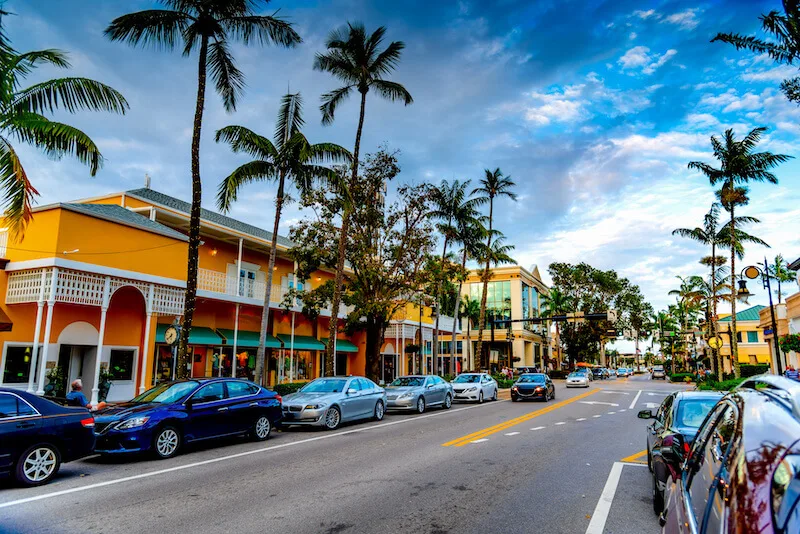
Olde Naples Gallery
Palm-lined streets, the downtown shopping districts, and the waterfront character that define Naples' historic heart.
At a Glance
Price Range
$2M - $20M+ walk-to-beach homes
Location
Downtown, Gulf of Mexico to US-41
Housing
Historic cottages to new luxury construction
Established
1880s, Naples' original townsite
Lifestyle & Convenience
What makes Olde Naples so livable is that the best of the city is literally outside your front door. The shopping and dining of Fifth Avenue South and Third Street South are a short stroll from most homes, the beaches and the Naples Pier are a few blocks further west, and everything else about downtown Naples, from galleries to theaters to the farmers market, sits within the same walkable footprint. In fact, Olde Naples is the most walkable neighborhood in the city: my guide to the most walkable neighborhoods in Naples, Florida ranks the downtown core against the rest of the market. For a current rundown of what is on in the district and around town, my What To Do This Weekend in the Naples Florida guide is updated each week.
Downtown Naples at Your Door
- Upscale boutiques and art galleries on Fifth Avenue South
- Third Street South, Naples' acclaimed dining district
- Restaurants, theaters, and galleries within walking distance
- US-41 at the eastern edge for easy access everywhere else
Beaches, the Pier, and Parks
- Walkable Gulf beach access along the neighborhood's western edge
- The Naples Pier, built in 1888 and the oldest structure in the city
- Lowdermilk Park just north, with a wide stretch of public Gulf beach
- Sunset walks, fishing, and beach days without getting in a car
Location & Development History
Olde Naples occupies the original townsite of Naples, stretching from the Gulf of Mexico beaches on the west to US-41 (Tamiami Trail) on the east, with the Naples Beach Hotel and Golf Club area to the north and the transition to Aqualane Shores to the south. The neighborhood spans roughly 1.5 square miles and is home to close to 2,850 residences, a compact footprint that makes its walkability possible.
The history runs to the very beginning of the city. Naples was founded in the late 1880s as a winter retreat and sport-fishing destination, and its first structures, raised in 1888, were the 600-foot Naples Pier and the original Hotel Naples. Fifth Avenue South emerged as the city's main street in the 1920s, and the arrival of the Seaboard railroad depot in 1926 fueled the young town's growth as a winter resort. More than a century later, the pier still stands as the oldest structure in the city, and the same downtown streets anchor the neighborhood's identity.
1888
Naples Pier constructed, the city's oldest structure
1920s
Fifth Avenue South becomes Naples' main street
1.5 sq mi
Rough footprint of Olde Naples
The Olde Naples Housing Market
The housing stock in Olde Naples is its great strength because it has extraordinary range within a very small area. On one block you may find a preserved beach cottage from the early 1900s, on the next a classic Mediterranean residence, and down the street a newly completed luxury home built to the current Florida Building Code. Low-rise condominiums round out the mix, and because buildings hold to just three or four stories and lots are compact by Naples standards, the whole neighborhood keeps a closely knit, village-like feel rather than a dense resort one.
The market reflects that prestige. Well-located walk-to-beach single-family homes in Olde Naples typically span the $2 million to $20 million-plus range, and condominiums offer a more attainable entry into the neighborhood. The premium is tied to the same fundamentals that make the area one of the most desirable in Naples: a fixed supply of land in the original townsite, an unbeatable walk-to-beach location, and the enduring appeal of the downtown districts on Fifth Avenue South and Third Street South.
For buyers, the range of eras matters because older construction demands a different kind of due diligence. Homes built to past codes may need updated roofing, impact protection, mechanicals, or elevation to meet current standards, and a historic cottage may sit within a historic district with preservation guidelines. That is precisely where my background as a licensed Certified Building Contractor pays off: I help buyers see which older homes are sound investments with reasonable updates, which properties justify a renovation, and where the land itself carries more value than the house sitting on it.
Thinking about selling in Olde Naples? The same builder's-eye evaluation that helps buyers works for owners preparing to list. My guide to selling a home in Naples covers pricing from current market data, timing for the season, and what to fix before the sign goes in the yard.
The Olde Naples Lifestyle
Life in Olde Naples moves at the pace of a great coastal town. Mornings start with a walk on the beach or coffee on Fifth Avenue South; afternoons might mean boutique shopping on Third Street South, a gallery browse, or fishing off the pier; evenings end with dinner steps from home and sunset on the sand. Because nearly everything is walkable, the day is built around the sidewalk and the beach rather than the car.
The residents reflect that rhythm: a mix of year-round families, successful professionals, business owners, and seasonal owners who split their time between Naples and other cities. It is a warm, community-minded neighborhood with a strong sense of place, and as Compass's neighborhood guide puts it, Olde Naples offers quieter nights with active mornings. For relocating buyers, it is the address that best answers what it is actually like to live in downtown Naples, with the Gulf at one end of the street and the city's finest shopping and dining at the other.
Guide & Tips for Olde Naples Buyers
From Jim Chambers, Licensed Certified Building Contractor • Nearly 40 Years in Naples Real Estate
Historic Homes and Renovation
Many homes in Olde Naples date from the early-to-mid 20th century, including original beach cottages from the early 1900s. These historic properties have a character that cannot be replicated, but they also come with older foundations, original mechanical systems, and construction methods that do not meet modern standards. I evaluate the structural soundness, roof condition, electrical capacity, plumbing, and hurricane protection, and I look closely at whether past updates were done properly and with permits. Some historic homes have been beautifully updated; others need substantial work. In certain areas, the city's historic preservation guidelines govern exterior changes, so renovation plans should be reviewed before you commit.
As a licensed Certified Building Contractor, I help buyers separate normal maintenance from true risk in an older home. A dated kitchen is a budget item; a settling foundation, evidence of past leaks behind fresh paint, or an undersized electrical panel is a bigger conversation. Getting that distinction right before you make an offer is where decades of building experience change the outcome of a purchase.
New Construction and Redevelopment
Olde Naples is one of the most active redevelopment markets in the city. Older homes are frequently replaced with new luxury residences built to modern codes and standards, and the city's downtown parcels often justify that investment because the land itself carries so much value. The lots are generally smaller than in neighborhoods further north, which means the design, setbacks, height restrictions, and flood requirements all demand careful planning.
As a builder, I can help you evaluate whether an existing home is worth renovating or whether the better path is a new build, and I can pressure-test the numbers: what the site will support, what the permitting path looks like in the City of Naples, what a realistic budget and timeline are, and whether the finished project will create value above its cost. Understanding that before you commit is exactly what my development background is for.
Condos and Low-Rise Living
Condominiums are an important part of the Olde Naples market and often the most attainable entry into the neighborhood. Buildings are low-rise, generally topping out at three or four stories, which keeps the downtown's village scale intact while giving owners a walkable, lock-and-leave lifestyle steps from Fifth Avenue South and the beach. For seasonal residents and busy professionals, that can be the right trade-off versus a single-family home.
When I help buyers evaluate a condo, I read it from the building up: the age and condition of the roof, the building envelope, elevators and mechanicals, hurricane protection, and the association's financials, reserves, and insurance picture. Reserves matter far more than finishes, because an underfunded association eventually surfaces as special assessments, and a coastal building envelope is only as good as its last maintenance cycle.
Flood, Elevation, and Storm Protection
Being beach-close means flood risk is a reality in Olde Naples, and the Florida Building Code requires elevated finished floors and high wind-load standards tied to FEMA flood maps. The elevation certificate is the single most important document you will review: it tells you how the finished floor relates to the flood standard that drives both building requirements and insurance premiums. Properties built or elevated after the most recent flood map updates generally carry lower insurance costs; older homes that have not been elevated can carry significantly higher premiums.
I review the elevation data, flood zone designation, impact-rated windows and doors, roof age, and mechanical placement to give you a complete picture of ownership costs, and I strongly recommend getting a flood insurance quote before making an offer, not after. A home already elevated and protected to current standards is worth a clear premium over one that has not been touched in decades.
Walkability, Parking, and Downtown Living
Walkability is the defining feature of Olde Naples, and it shapes daily life here more than any other factor. Residents walk to the Naples Pier, the beach, dozens of restaurants and shops on Fifth Avenue South and Third Street South, the farmers market, galleries, and community events that happen year-round. Parking is at a premium in the downtown core, so being within walking distance of everything is a genuine lifestyle benefit, and buyers should plan for how guests and beach traffic work in season.
The neighborhood has a strong community feel, with regular events, dog-walking neighbors, and a pace of life that slows down in the best possible way. If the idea of never driving to dinner appeals to you, Olde Naples is the only neighborhood in the city that truly delivers it.
Who Olde Naples Is Right For
Olde Naples suits buyers who want the full Naples experience in one walkable footprint: successful professionals, business owners, investors, and families making a significant purchase, plus relocating buyers who want to land in the heart of the city from day one. It also works exceptionally well for seasonal owners and empty nesters who value walkability, the beach at the door, and the best dining and shopping in Naples without getting in a car.
The trade-offs are equally real: smaller lots, premium prices, and downtown activity to navigate. The buyers who are happiest here know exactly which trade-offs they want, and my job is to make sure the property, the block, and the character of the home match the way they actually plan to live.
Investment Perspective
Olde Naples has been one of Florida's strongest luxury real estate markets for decades, and the fundamentals that drive it are structural rather than cyclical. The supply of land in the original townsite is fixed: the neighborhood is built out, so the scarcity of walk-to-beach parcels, combined with the historic character and unmatched walkability, creates durable demand that has held value across market cycles.
For investors, the key is location within the neighborhood and the quality of the structure. A well-built home on a good block in Olde Naples carries value that the land alone supports, while an older property on the same block may offer renovation or redevelopment upside. That is exactly where my contractor's background helps you underwrite the deal: realistic improvement costs, site issues flagged before you commit, and a clear read on whether the numbers hold up.
What to Look for During a Showing
From Jim Chambers, Licensed Certified Building Contractor
When I walk a property with a buyer in Olde Naples, here is what I am paying attention to beyond the obvious finishes and curb appeal:
Roof Age and Condition
Ask when the roof was installed and how many layers it has. In Florida, roof age drives insurance eligibility and premiums, and on an older cottage or mid-century home a roof near the end of its life is one of the largest expenses you can inherit.
Elevation Certificate
This document tells you the finished-floor elevation relative to the base flood elevation. It is the single most important factor in determining flood insurance costs on a beach-close Olde Naples home.
Impact Protection and Windows
Are windows and doors impact-rated or protected by shutters? On an older home this is often the biggest update required, and it directly affects insurance and hurricane readiness in a beach-close neighborhood.
Mechanical Systems
Check the age of the air conditioning systems, the electrical panel, and the water heater, and whether any were replaced with permits. Older Olde Naples homes may still run systems well past their useful life, which is a budget item and a negotiation point.
Renovation History and Permits
Was the work done with permits? Unpermitted renovations can surface during a sale and create delays or liability, and in a historic district the review process matters even more. I help assess what was done properly and what needs attention.
Lot, Setbacks, and Redevelopment Potential
On an Olde Naples lot, the land often carries the value, so understand what the parcel supports: zoning, setbacks, height limits, and flood requirements that decide whether you can expand, renovate, or rebuild in the future.
Considering a Home in Olde Naples?
Whether you are drawn to a historic cottage, a fully renovated classic, new construction, or a walk-to-beach condo, I bring nearly 40 years of Naples luxury real estate experience and a license as a Certified Building Contractor to every showing, so I read older homes, renovations, teardowns, and new builds from the foundation up. Let's find the right property for you.